Women Engaged in Development
Empowered Sustainably

On 20th August 2025, ICRW and RHNK hosted the inaugural conversation on menopause in Kenya at Radisson Blu Upperhill. The keynote address was delivered in the presence of distinguished leaders including Hon. Millie Odhiambo, Member of Parliament; Ms. Betty Maina, Former Cabinet Secretary for Industrialization, Trade and Enterprise Development; and Hon. Justice Njoki Ndung’u, Judge of the Supreme Court of Kenya.
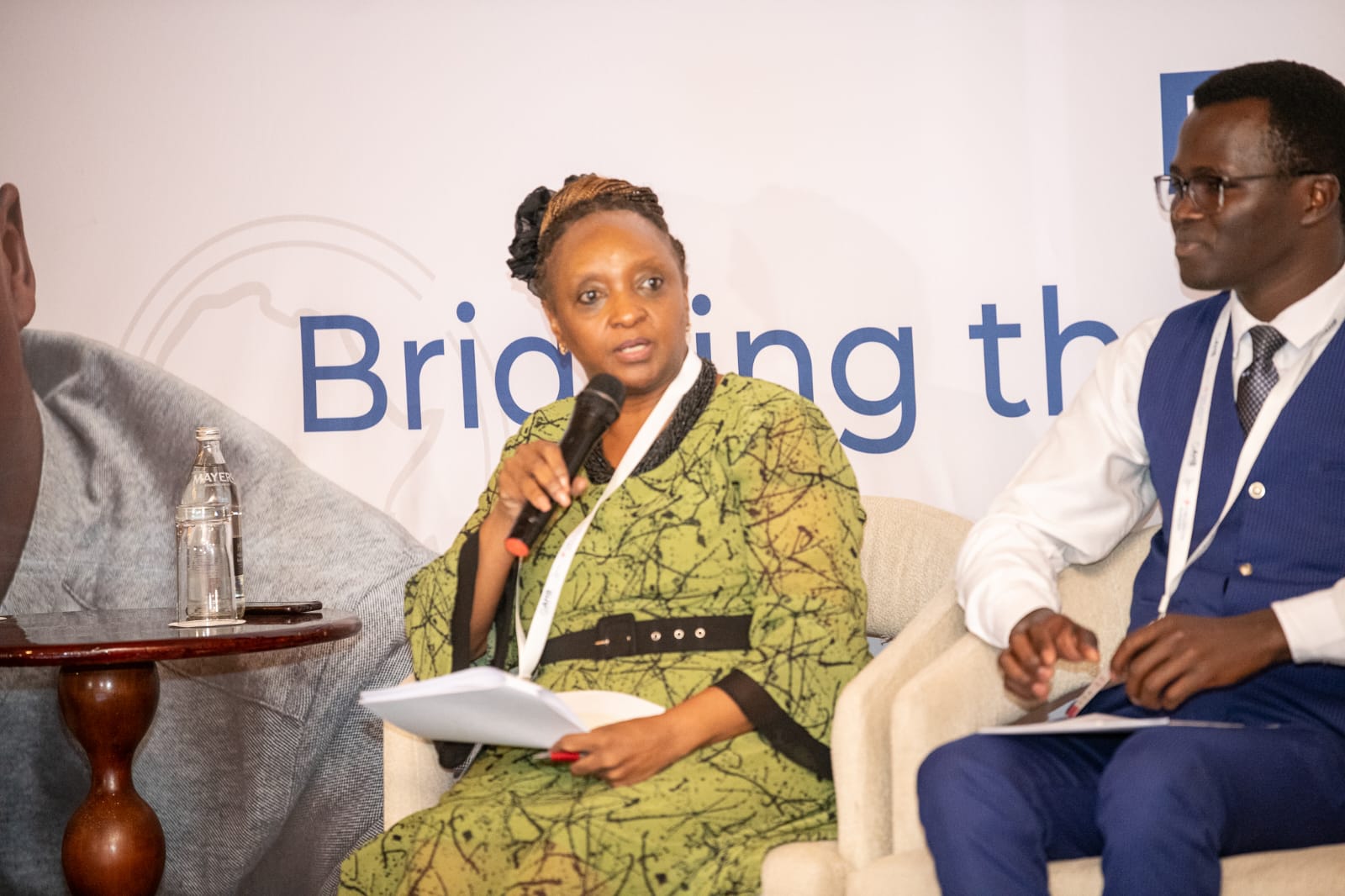
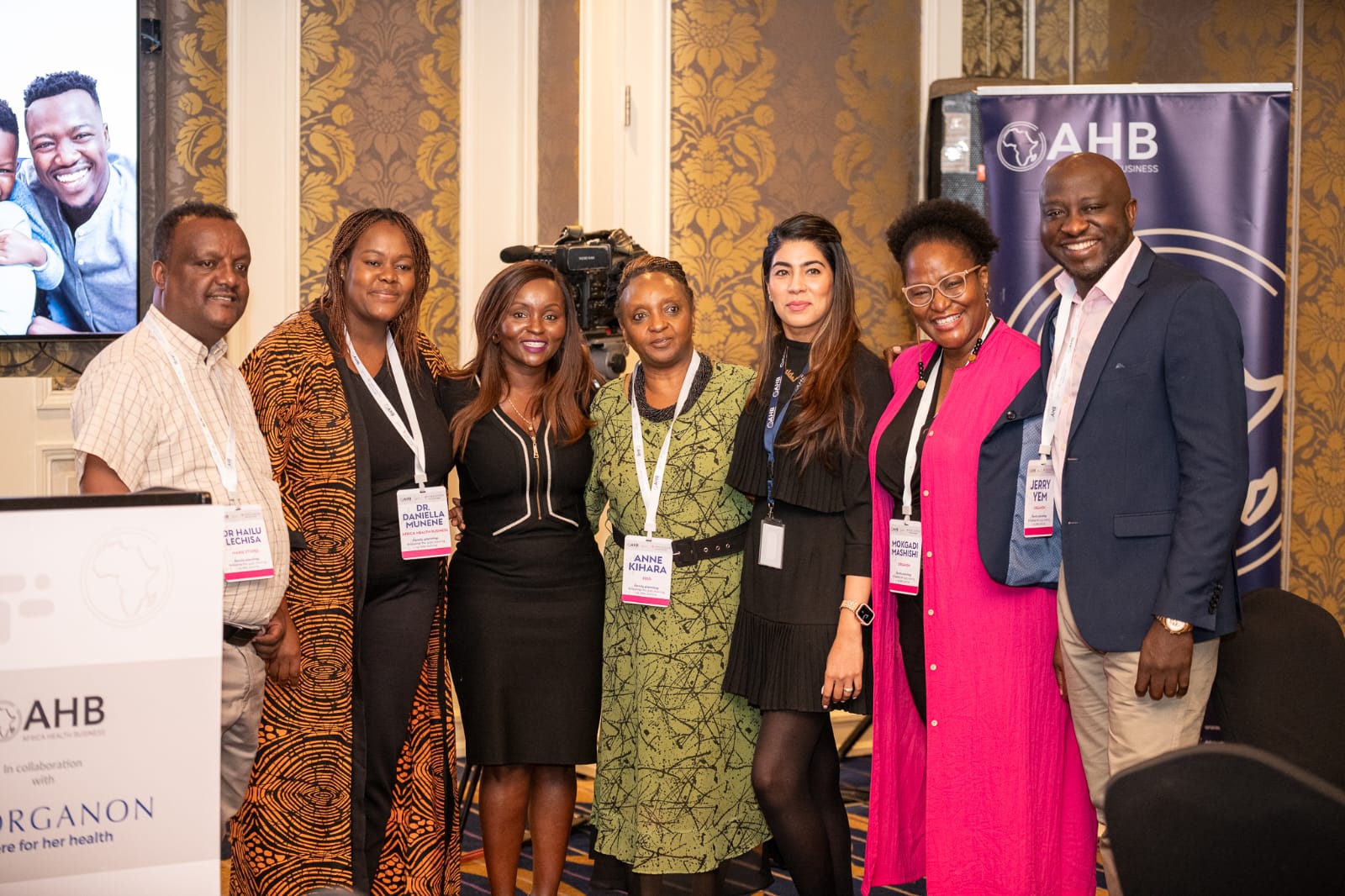
Advocacy champions Mary Magubo from the Ministry of Health and Prof. Kihara joined the discussion, which underscored the urgent need to accelerate efforts toward comprehensive care and support for women experiencing menopause
The End PPH Run Kenya 2024 was a ground breaking event dedicated to raising awareness and driving action to end postpartum haemorrhage (PPH), one of the leading causes of maternal mortality in Kenya and globally. This impactful run brought together healthcare professionals, policymakers, families, and advocates in a unified effort to support maternal health.
The End PPH Run Kenya 2024 symbolizes hope and resilience, with a vision of empowering communities to champion maternal health and ensuring no woman loses her life to preventable causes. This movement is more than a race—it’s a call to action to prioritize and protect the lives of mothers across Kenya.
Women Professionals in the MNH Expressway represents an innovative approach to advancing maternal and newborn health (MNH) while driving sustainable development. This initiative harnesses the expertise and leadership of women professionals to implement evidence-based solutions, improve healthcare systems, and address critical gaps in MNH services.
By fostering collaboration, leveraging technology, and promoting gender equality, this approach is not only saving more lives but also empowering women to lead transformative change in their communities. It highlights the vital role of women in shaping resilient health systems and underscores the link between improved MNH outcomes and broader sustainable development goals
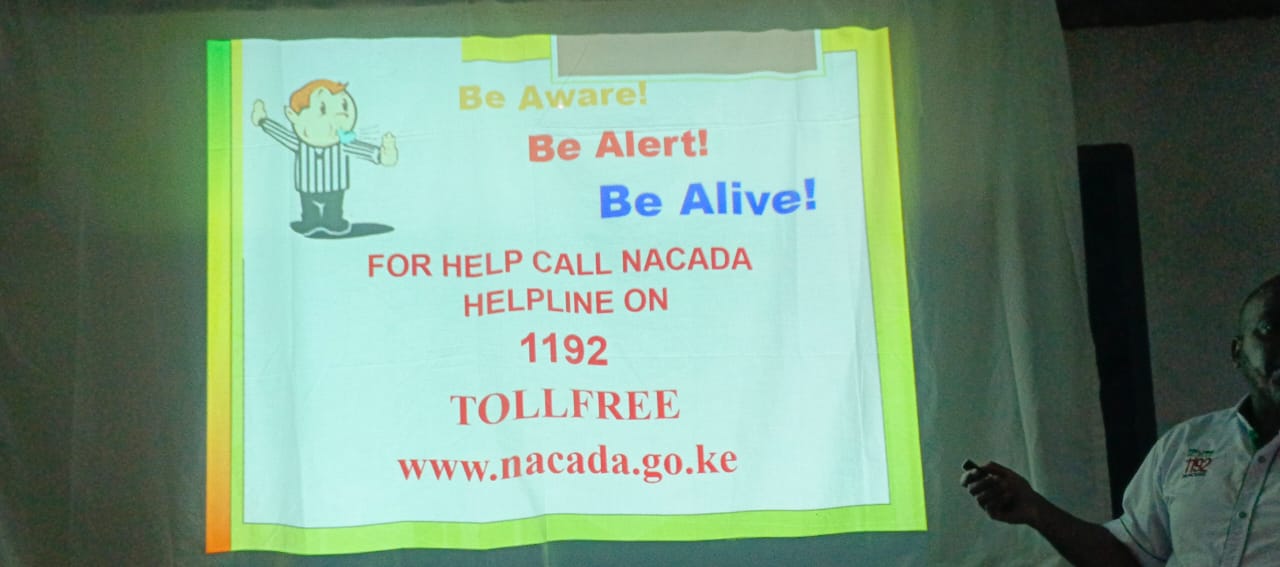
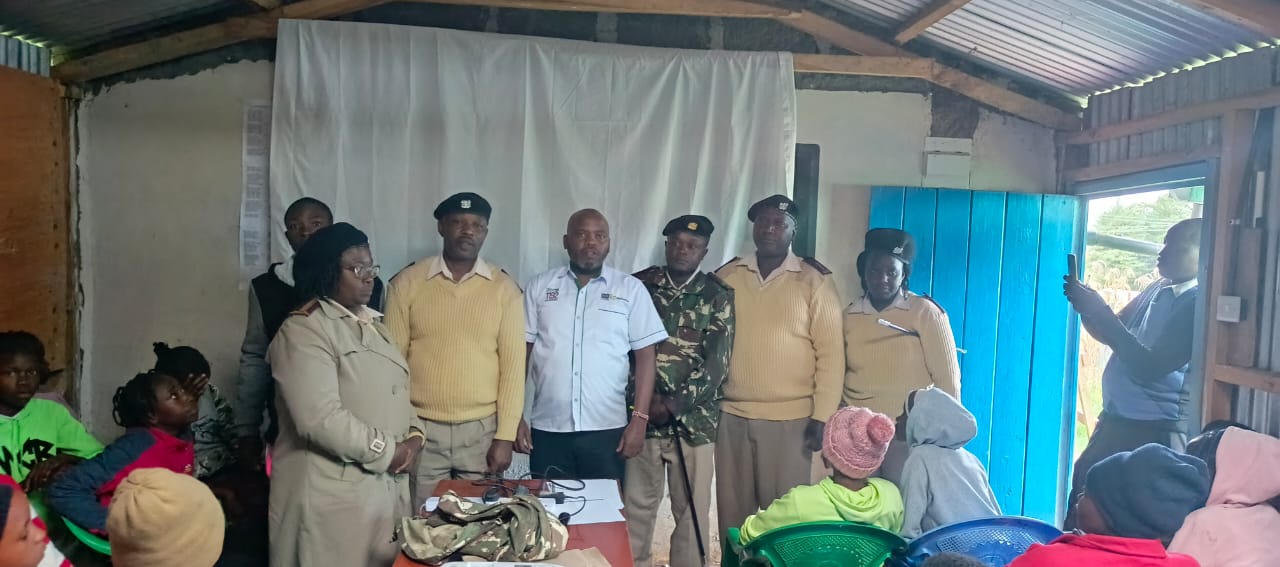
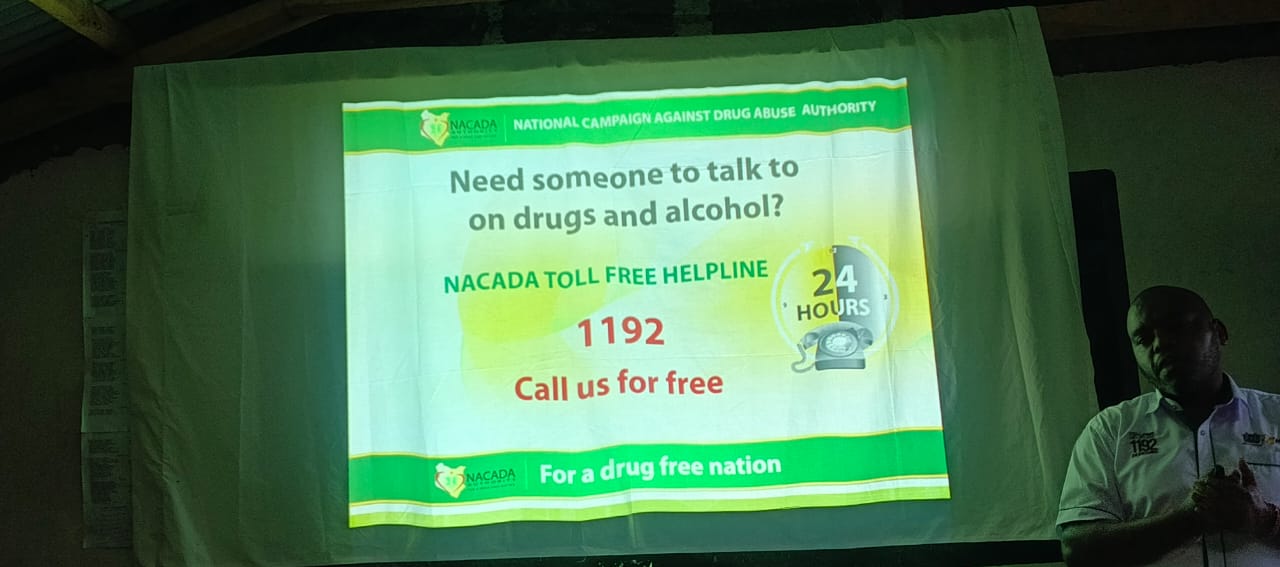
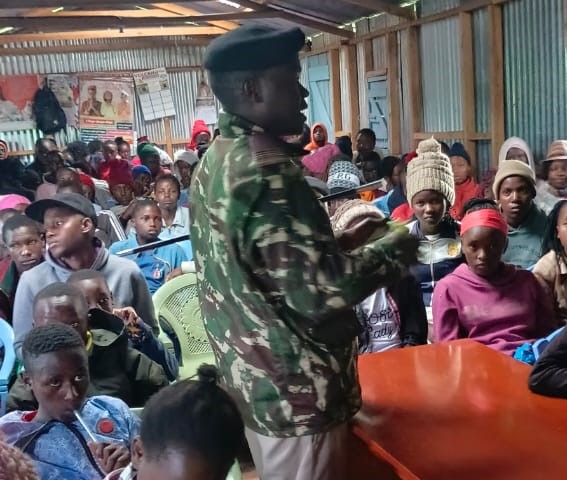
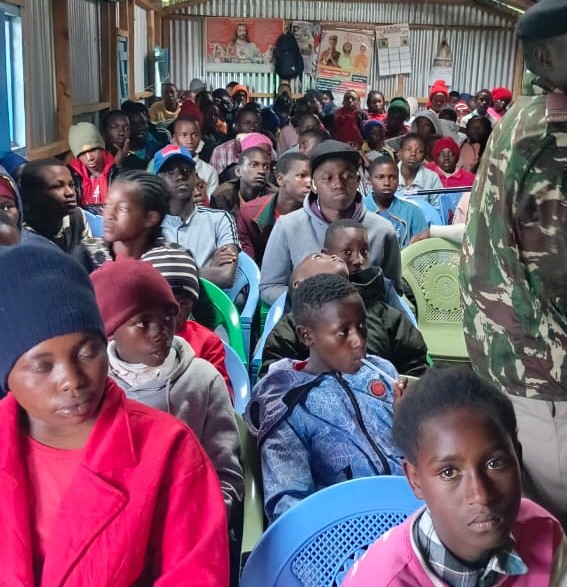
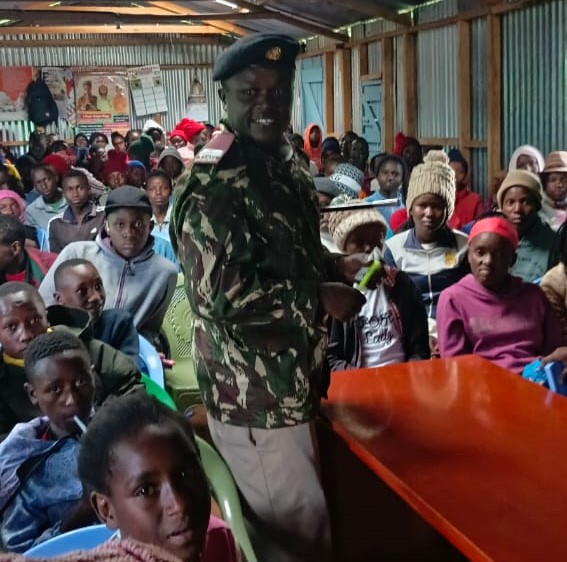
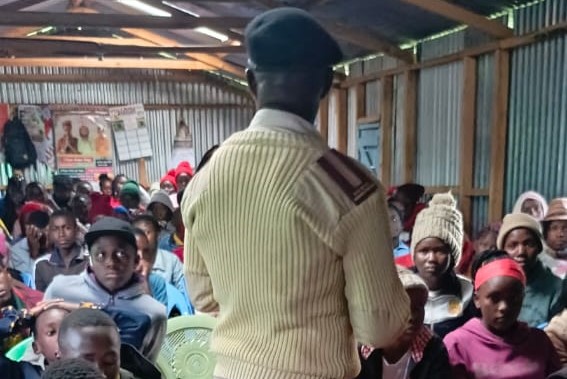
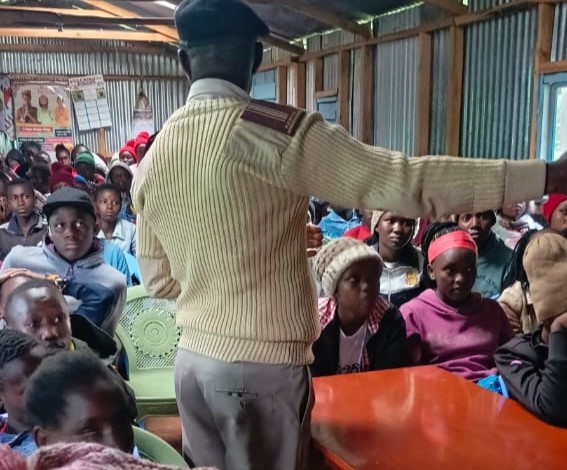
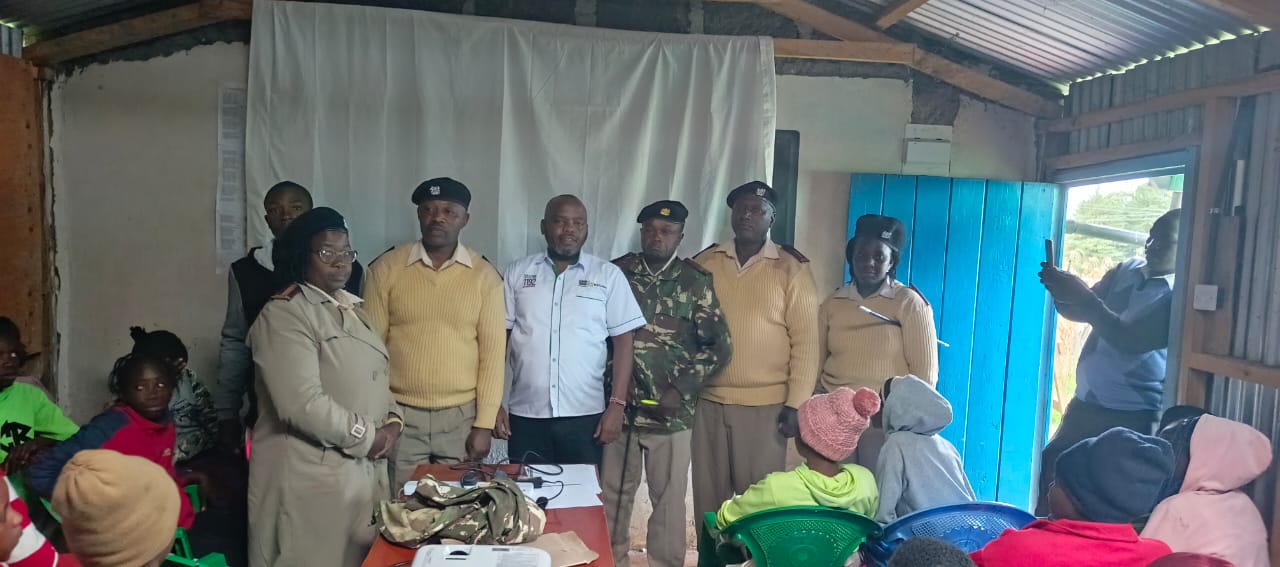
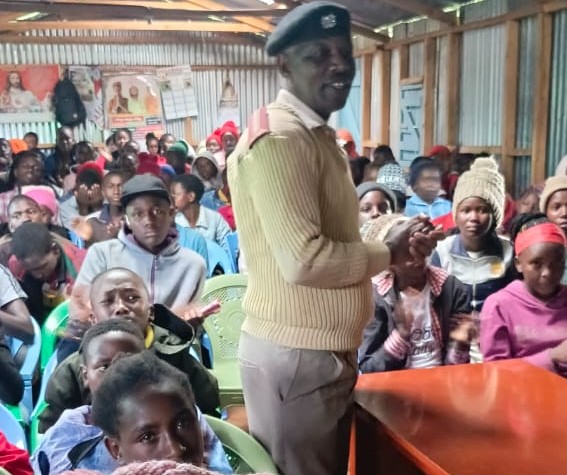
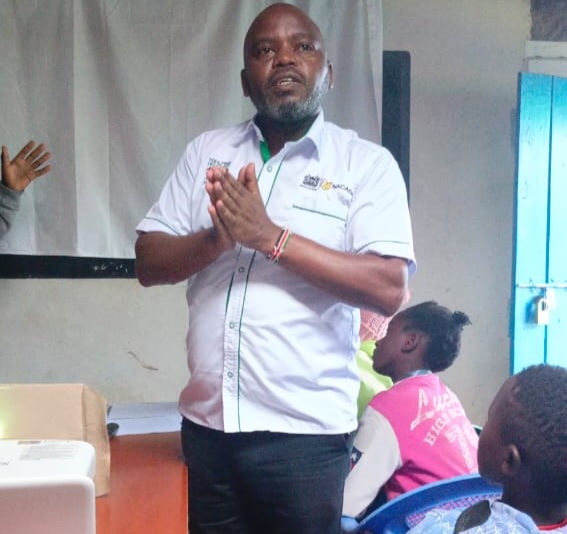
This forum was convened during the Jamhuri Day celebrations, bringing together local administrators to address the pressing issue of drugs and substance abuse. The event provided a platform for in-depth discussions, collaborative problem-solving, and strategizing effective interventions to combat this societal challenge.
We empower girls and women through health literacy and access to quality Sexual and Reproductive Health and Rights (SRHR) services. Our work extends to promoting gender leadership, collective agency, and accountability, enabling women to lead and advocate for sustainable development. By addressing critical sectors that influence gender equity, we create inclusive opportunities for empowerment, fostering resilience and long-term impact in communities.
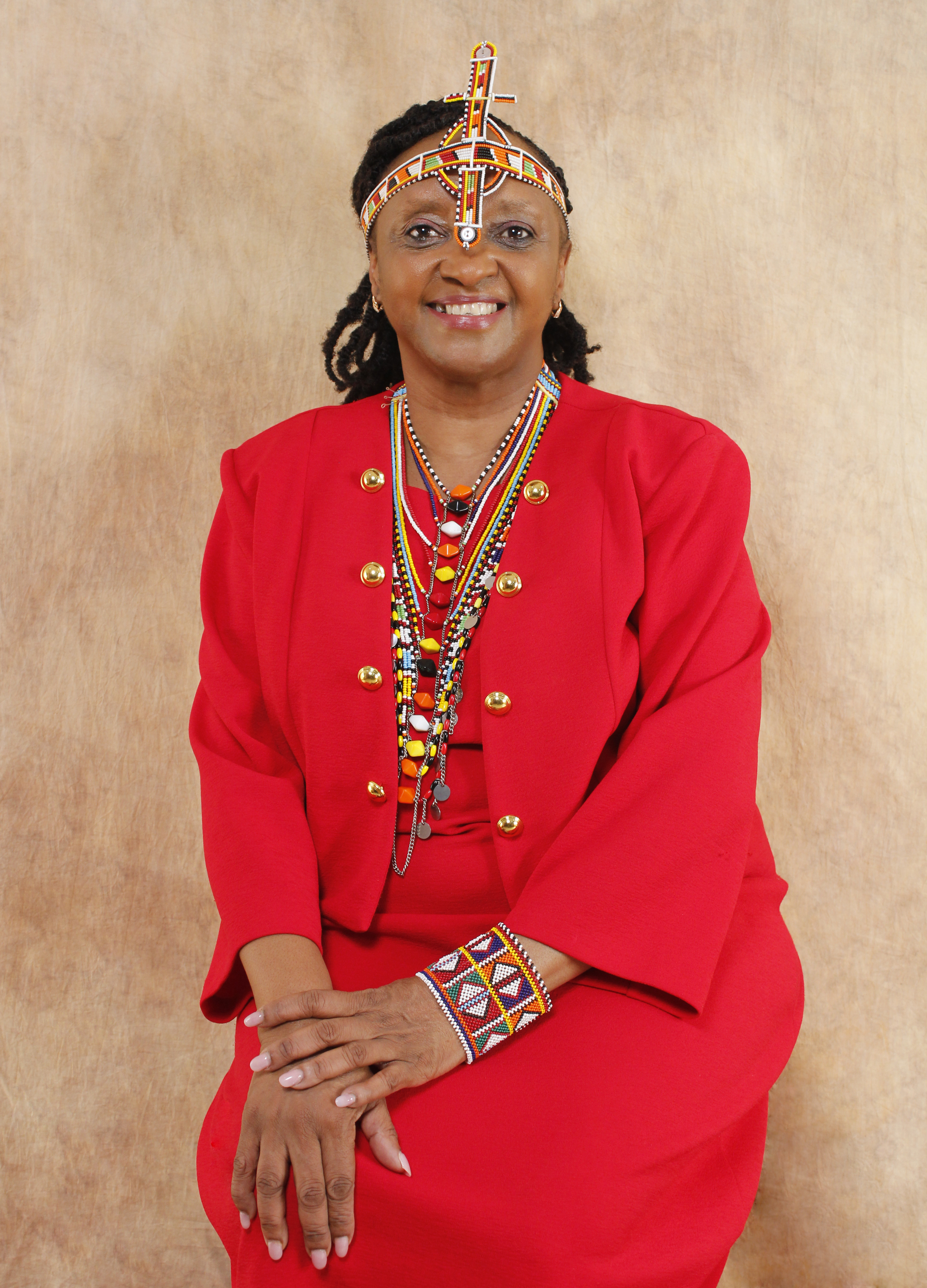
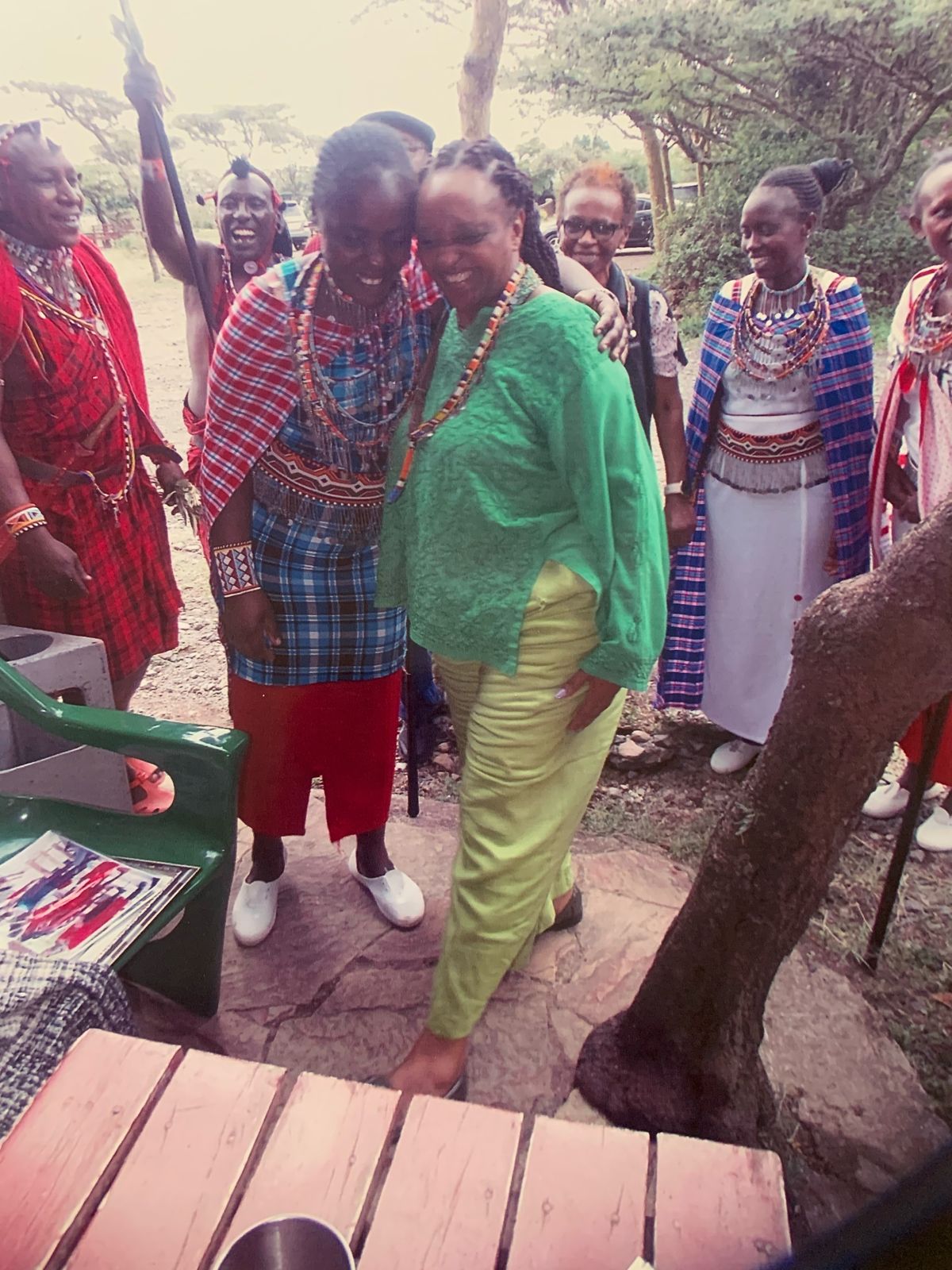
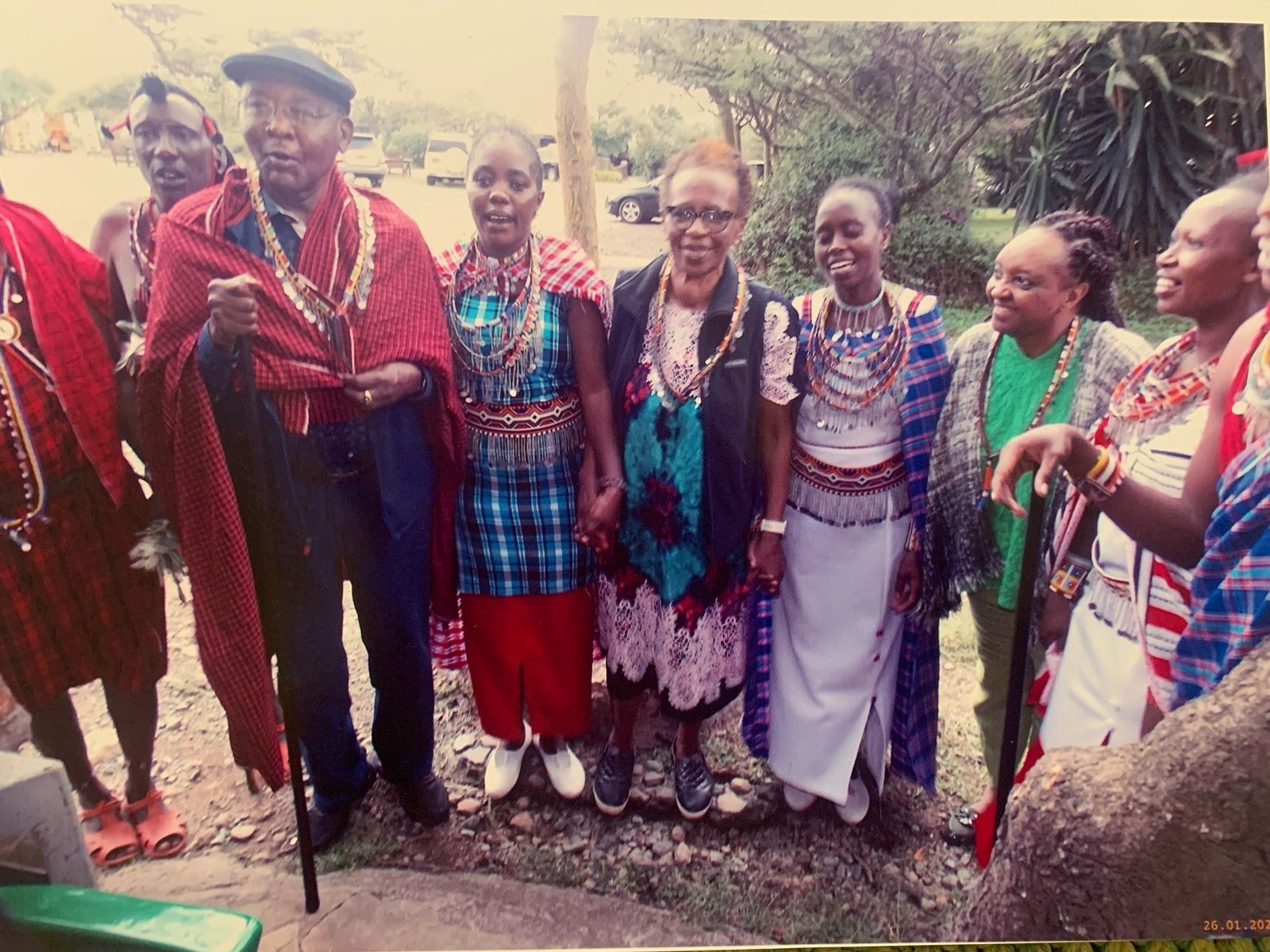
At Women Engaged in Development, we recognize that meaningful progress is driven by purposeful partnerships—where communities, organizations, and individuals come together to create lasting change. Guided by the ACOG theme “Advancing Partnerships Powered by Purpose,” we reaffirm our commitment to building inclusive, collaborative spaces that uplift everyone, especially those historically left behind.
Development is most impactful when it reflects the voices and efforts of diverse partners working toward shared goals. Whether it’s empowering youth, strengthening health systems, supporting economic resilience, or championing gender equity, it takes all of us—women, men, and allies—to drive sustainable impact.
Together, we are shaping a future rooted in mutual respect, shared responsibility, and collective action. Let us continue to harness our different strengths and experiences to advance equitable development for all.
Join in building partnerships that matter—powered by purpose, and driven by people.
This brought together leading experts, practitioners, and stakeholders in gynaecology and obstetrics to share knowledge, innovations, and best practices. This prestigious event featured scientific presentations, panel discussions, and workshops focused on advancing maternal and reproductive health in Côte d’Ivoire and beyond.
With a theme centered on promoting evidence-based solutions and sustainable healthcare practices, the congress addressed critical challenges, fostered collaboration, and inspired action toward improved outcomes in women's health. It stood as a cornerstone event for driving progress and strengthening the community of healthcare professionals in this field.
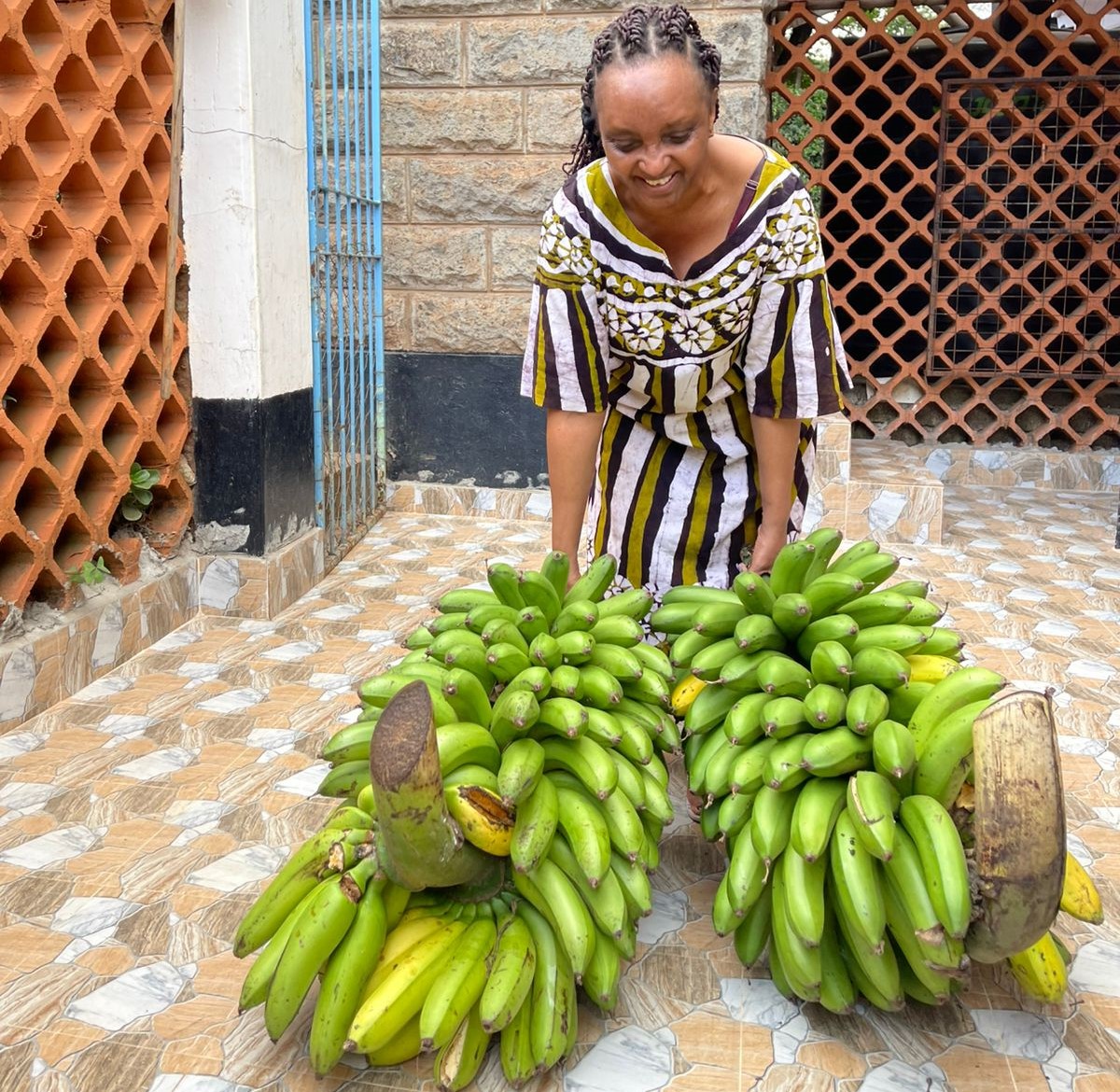
Women engaged in development in Nakuru are playing a transformative role in farm practices, driving innovation and sustainability within the agricultural sector.
Through active engagement, they are adopting modern farming techniques like green house, diversifying crop production, and integrating livestock management into their routines. These women are not only increasing yields but also contributing significantly to household incomes and community food security
This was a comprehensive training program designed to equip participants with the necessary skills and knowledge to establish and manage a successful pig cooperative. The initiative included hands-on sessions on modern pig farming techniques, cooperative governance, financial management, and marketing strategies.
Additionally, the program fostered community collaboration by guiding participants in creating a structured cooperative model that promotes shared resources, collective decision-making, and improved access to markets.
Women engaged in development are transforming pig husbandry and farm practices into powerful tools for economic empowerment and community resilience. Through training and hands-on practice, they are adopting modern techniques in breeding, feeding, value addition and disease management, ensuring healthier livestock and increased productivity.
These women are not only improving their livelihoods but are also contributing to food security and local economies. By integrating sustainable farming practices and leveraging cooperative models, they are fostering collaboration, enhancing market access, and creating a ripple effect of development within their communities. Their leadership in pig husbandry is a testament to the transformative role women play in agriculture and development
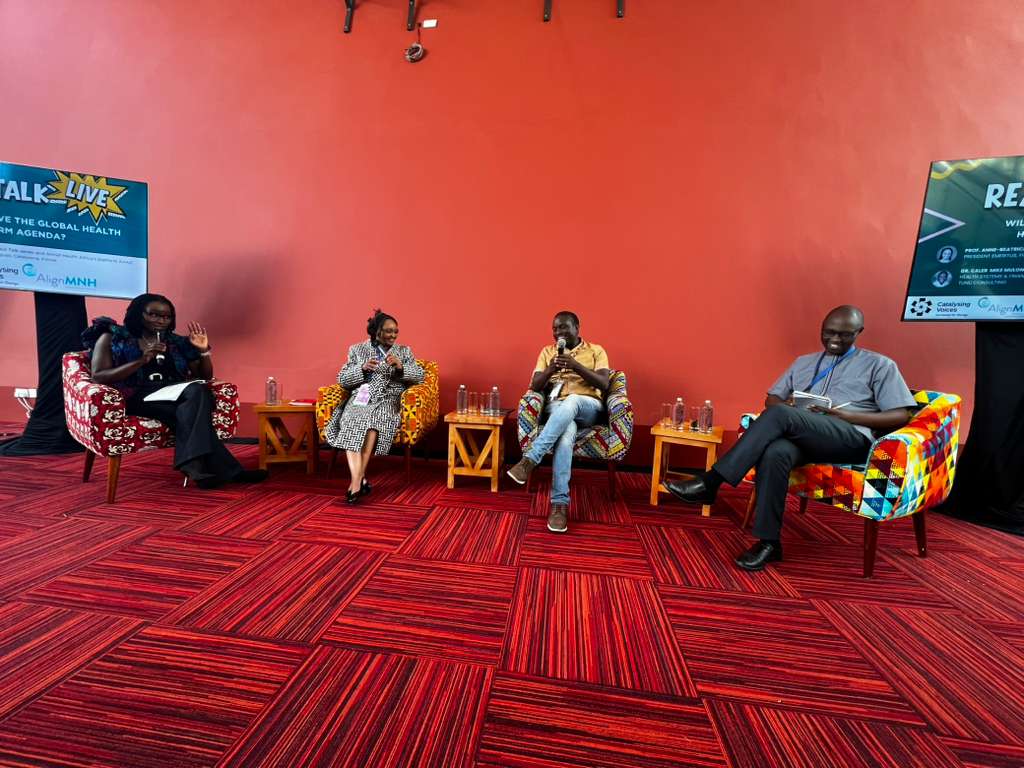
Our ED Prof. Ann-Beatrice Kihara attended the International Maternal and Newborn Health (IMNH) Conference (March 23–26, 2026). Speaking in the Real Talk session, she emphasized that incremental changes are no longer enough. To truly transform maternal and newborn health outcomes, we must embrace comprehensive global reform centered on local leadership, strategic investment, and accountability.
Read More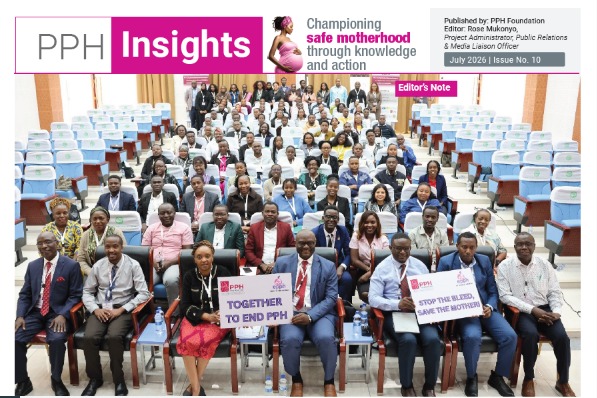
Explore the July 2026 edition of *PPH Insights*, featuring key developments in maternal health, from strengthening blood systems and advancing innovation to building strategic partnerships and accelerating action to prevent postpartum haemorrhage and maternal deaths.
Read More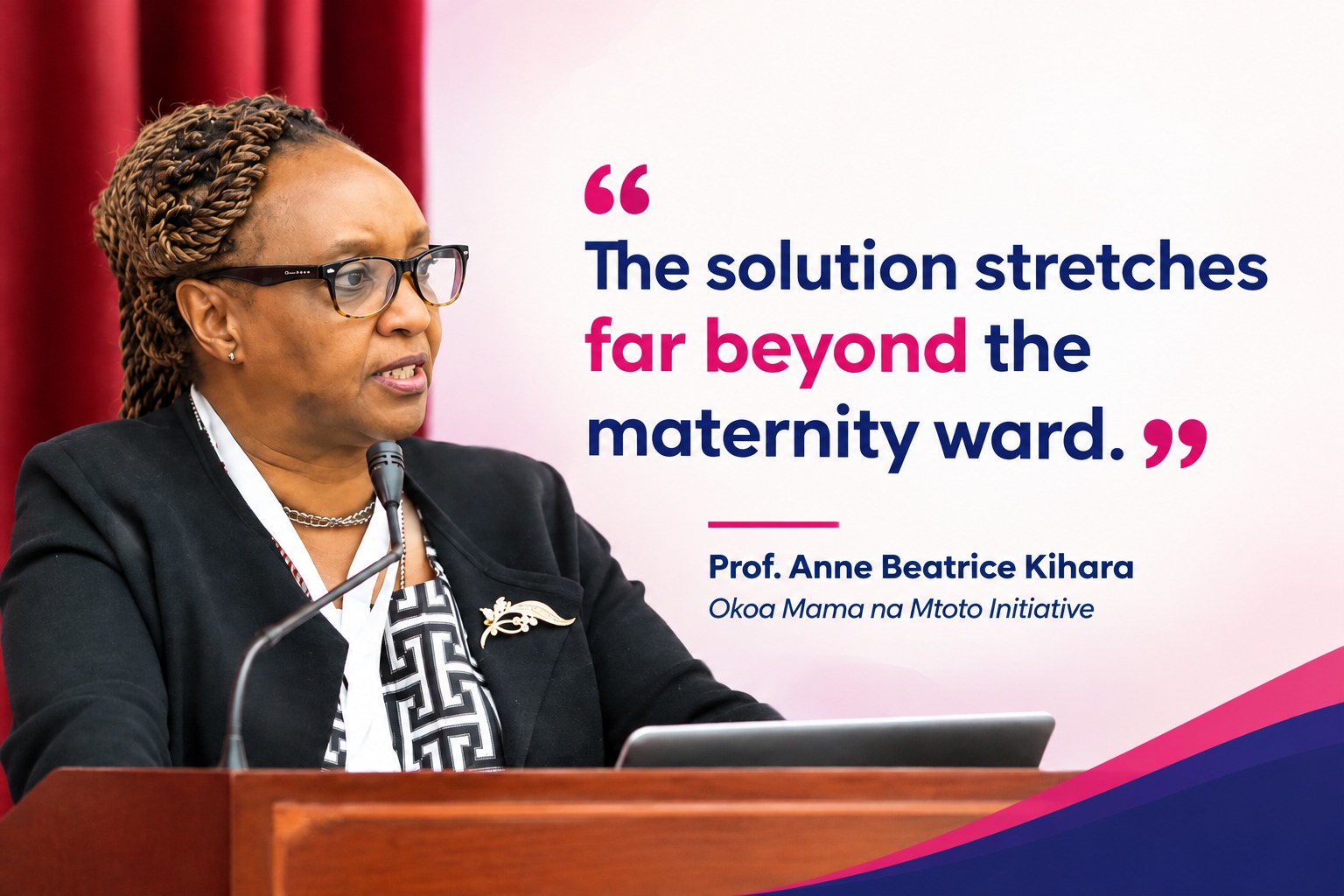
Postpartum haemorrhage cannot be prevented by action in the delivery room alone. Prevention begins much earlier with adequate nutrition, recognition and treatment of anaemia and heavy menstrual bleeding, malaria prevention, quality antenatal care, skilled maternity care and timely access to safe blood.
A recent feature highlights how these interventions must work together across the life course to reduce preventable maternal deaths. Drawing on insights from maternal health and blood-transfusion experts, the feature also explores patient blood management, early identification of bleeding risks, blood availability and community blood donation as interconnected elements of maternal survival.
“The solution therefore stretches far beyond the maternity ward.”
Source: Health Business, September 7, 2026
Reducing Maternal Mortality in SSA: A COWHA Fireside Session with Prof. Ann Kihara & Esther Ruiter
TThe Rotary Club of Nairobi Muthaiga North, in collaboration with the University of Nairobi Department of Obstetrics and Gynecology, successfully conducted a Maternal and Newborn Health (MNH) training workshop from 8th to 10th May 2026 at the University of Nairobi. The initiative brought together nurses and midwives from healthcare facilities in Embu, Makueni, and Laikipia counties as part of ongoing efforts to strengthen maternal and newborn health systems through training, mentorship, innovation, and facility support.
The workshop marked a major milestone with the official launch of the renovated Prof. James Bill Oiyeke Skills Laboratory, refurbished through Rotary Global Grant GG 235153 Phase 3 to support practical maternal and newborn health training and simulation learning.
The program brought together experts from the University of Nairobi, Rotary leadership, COINN, and specialist facilitators to support practical skills strengthening, facility-based planning, leadership development, and quality improvement initiatives. Participating facilities developed action plans focusing on emergency preparedness, skills corners, neonatal support systems, documentation improvement, mentorship, and respectful bereavement care.
The initiative also established a one-year Monitoring, Evaluation, Accountability, and Learning (MEAL) framework to support follow-up, mentorship, and continuous improvement across participating facilities.
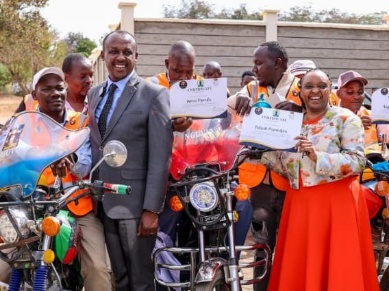
Men in Makueni County are playing a transformative role in improving maternal and newborn health through the Okoa Mama na Mtoto Initiative (OMMI). Launched on September 24, 2025, by Governor Mutula Kilonzo Jr. and Prof. Anne-Beatrice Kihara, the program focuses on training boda boda riders as first responders and maternal health champions.
Recognizing that boda bodas are often the most accessible form of emergency transport in rural areas, the initiative equips riders with critical knowledge on pregnancy danger signs, nutrition, and early childhood development. These trained riders act as “community ambulances,” ensuring timely referrals and safer deliveries across villages. A key component of the program is the “training of trainers” model, where selected riders cascade knowledge to others, expanding impact across the county.
The initiative has already shown immediate results. On the night of the launch, trained riders successfully saved the life of a mother, demonstrating the effectiveness of rapid community response. Additionally, the program mobilized over 300 community members for a blood donation drive at Kibwezi Sub-County Hospital, collecting 86 pints of blood to address shortages that contribute to maternal deaths from postpartum hemorrhage.
Supported by strong political will and community engagement, the program also highlighted critical gaps, such as limited awareness of blood groups among riders, which is now being addressed. Looking ahead, the initiative aims to reduce maternal deaths by 30%, improve emergency response rates to 80%, and integrate at least 40% of riders into an accredited emergency transport network within two years.
Future plans include establishing a boda boda emergency ambulance system, leveraging social media for health awareness, and tracking key performance indicators to measure impact. The Makueni model demonstrates that when men are empowered as active participants in maternal health, communities can achieve sustainable improvements in the safety and well-being of mothers and newborns.
Some careers are measured in titles. Others are measured in lives touched.
Prof. Anne-Beatrice Kihara's path to becoming one of Kenya's leading obstetricians and gynaecologists was not without setbacks. After repeating a year in medical school, she built a career that has seen her deliver more than 40,000 babies while advancing maternal healthcare through clinical practice, teaching and research.
Behind every milestone is a doctor who never stopped asking how childbirth could be made safer for every woman.
Read the article:
Read Full Story
Watch White Coat Diaries:
Watch on YouTube
Listen to the podcast:
Listen on Spotify
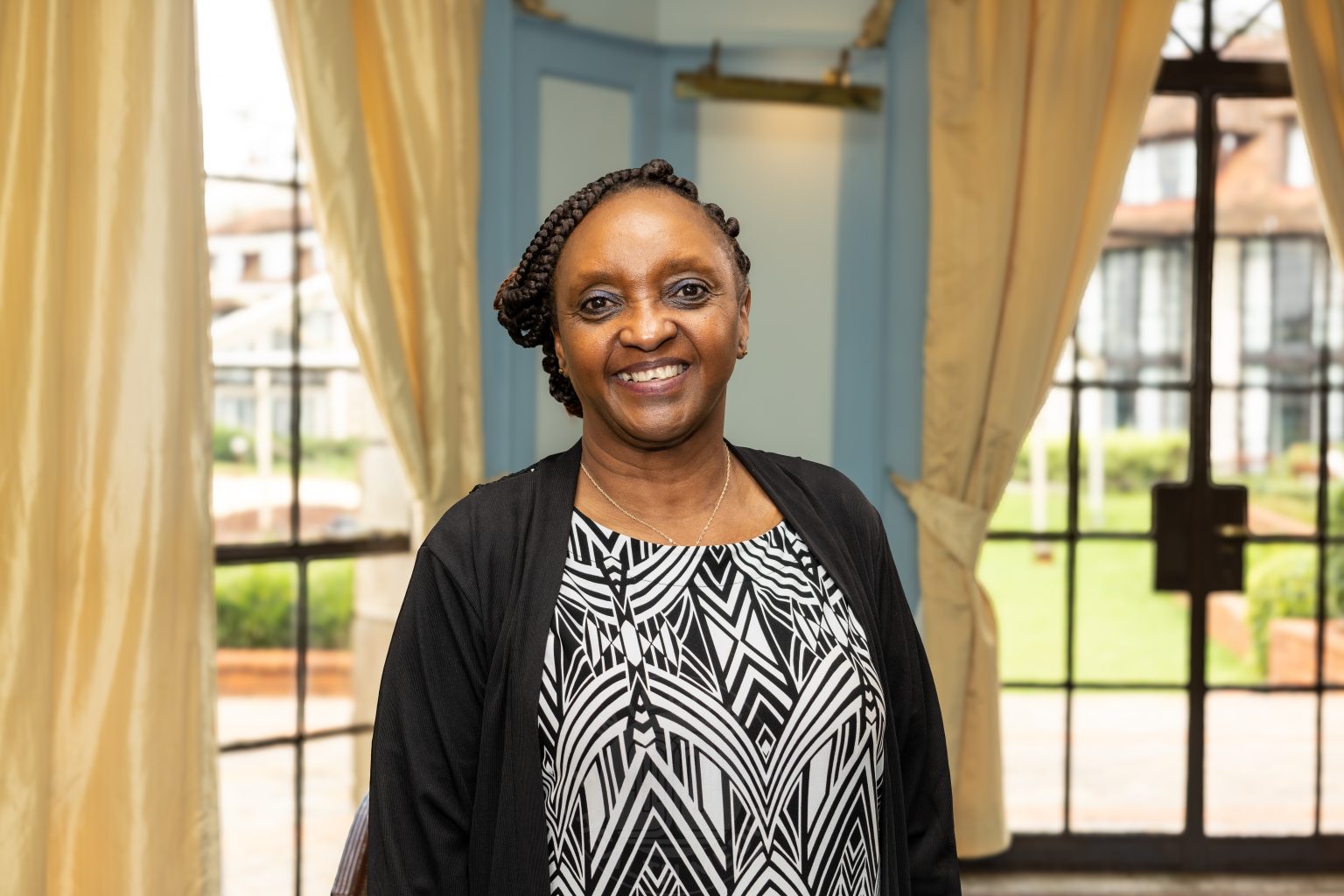
The graduation ceremony for teen mothers at the TVET center was a celebration of resilience, determination, and transformation. These young women, who overcame immense challenges, graduated with skills that will empower them to build brighter futures for themselves and their families.
The ceremony highlighted their journey, from navigating motherhood while pursuing education to mastering vocational and technical skills in fields such as tailoring, hairdressing, catering, and ICT. It was a moment of pride as they received certifications that marked the beginning of their journey toward financial independence and self-reliance.
The event also served as an inspiration to the community, showcasing how education and support systems can break barriers and create opportunities.
The TVET graduation for teen mothers stood as a testament to the power of perseverance, the value of skills development, and the promise of a hopeful tomorrow.
The Medical Camp at Pumwani Maternity Hospital, held in collaboration with Rotary Club, was a transformative event focused on improving maternal and child health. This initiative provided free medical consultations, antenatal and postnatal care, health screenings, and essential medications to underserved women and children in the community.
With a dedicated team of healthcare professionals, volunteers, and Rotary members, the camp aims to bridge healthcare access gaps, raise awareness about maternal and newborn health, and offer life-saving interventions. This collaboration embodies the spirit of service and community partnership, bringing hope and care to those who need it most.
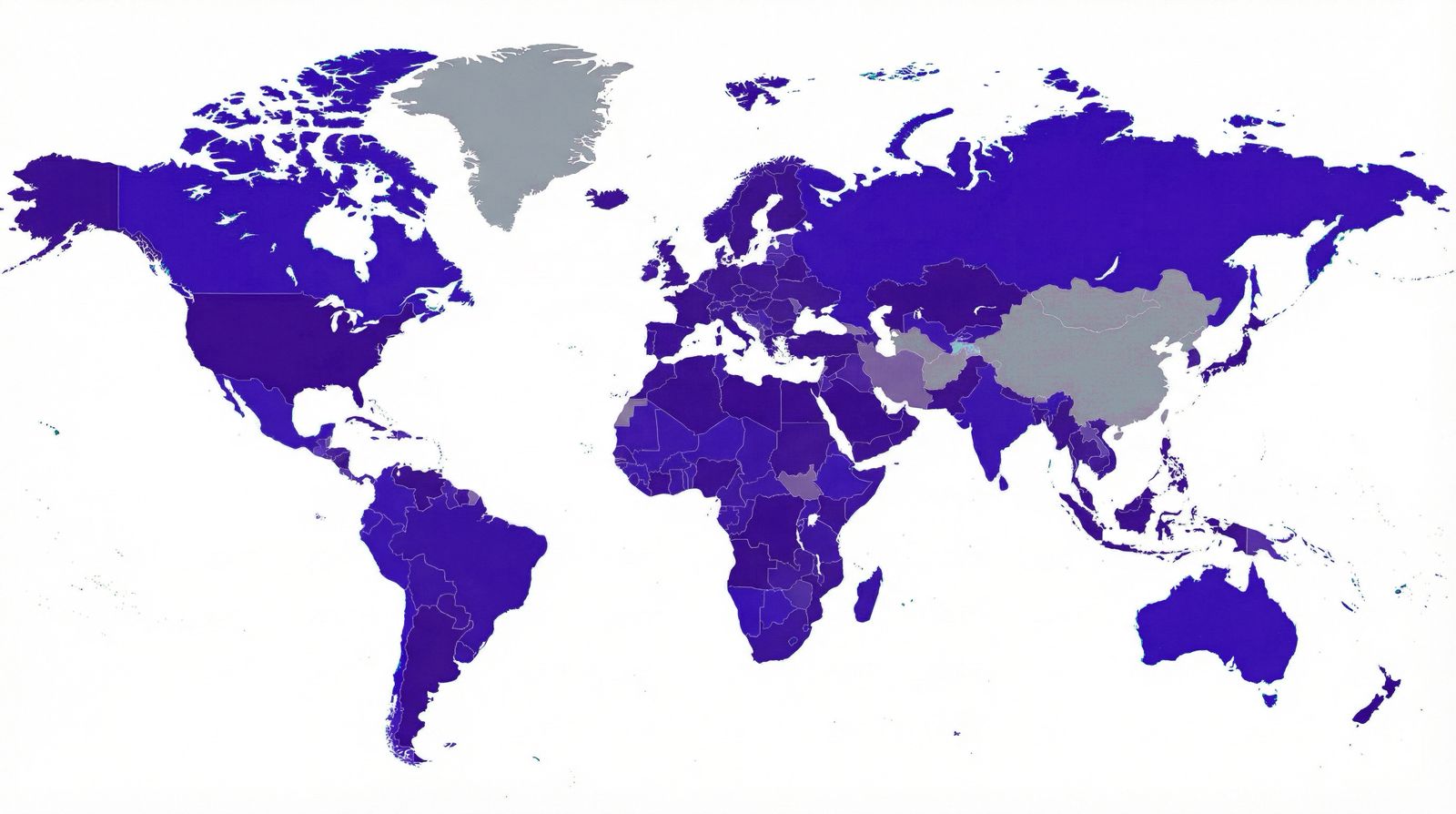
Globally, women are engaged and empowered in sustainable development.
Engage girls and women in health literacy and quality services in SRHR and other sectors that promote gender leadership and empowerment.